OpenAI's DevDay answer to Meta is Dots, an agent built on GPT-6 Astra
Sponsored by Klovera

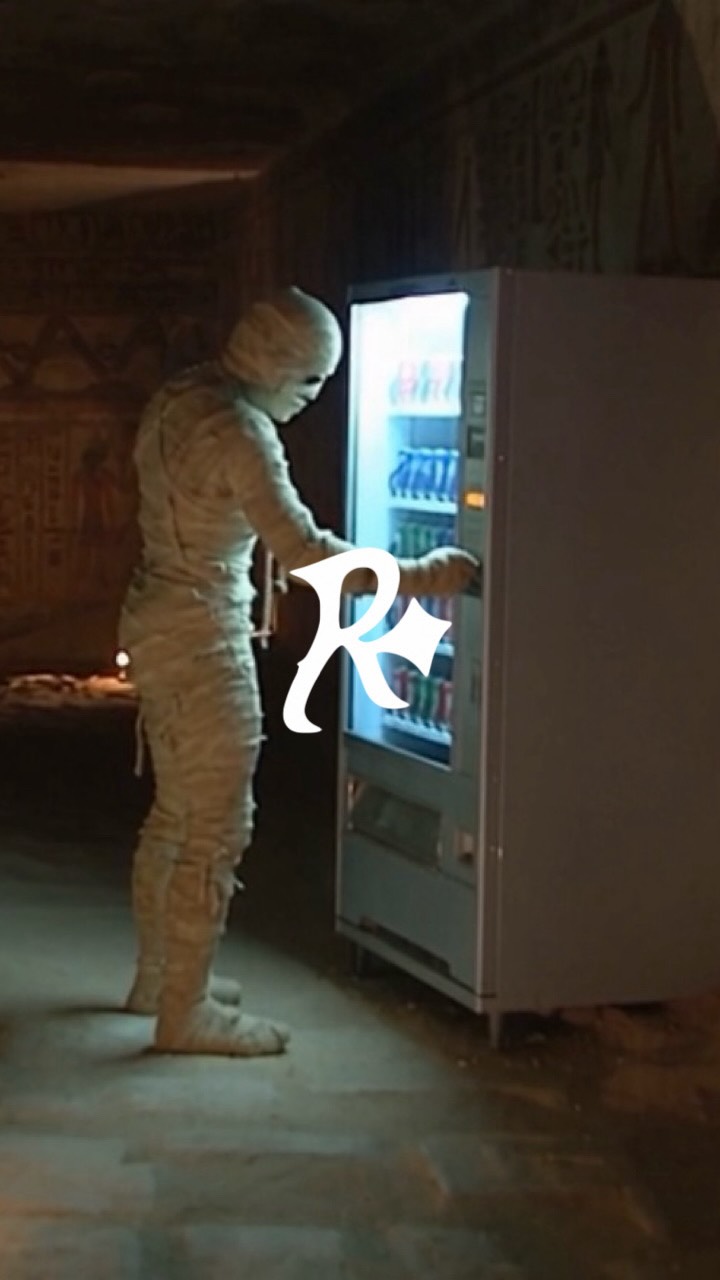
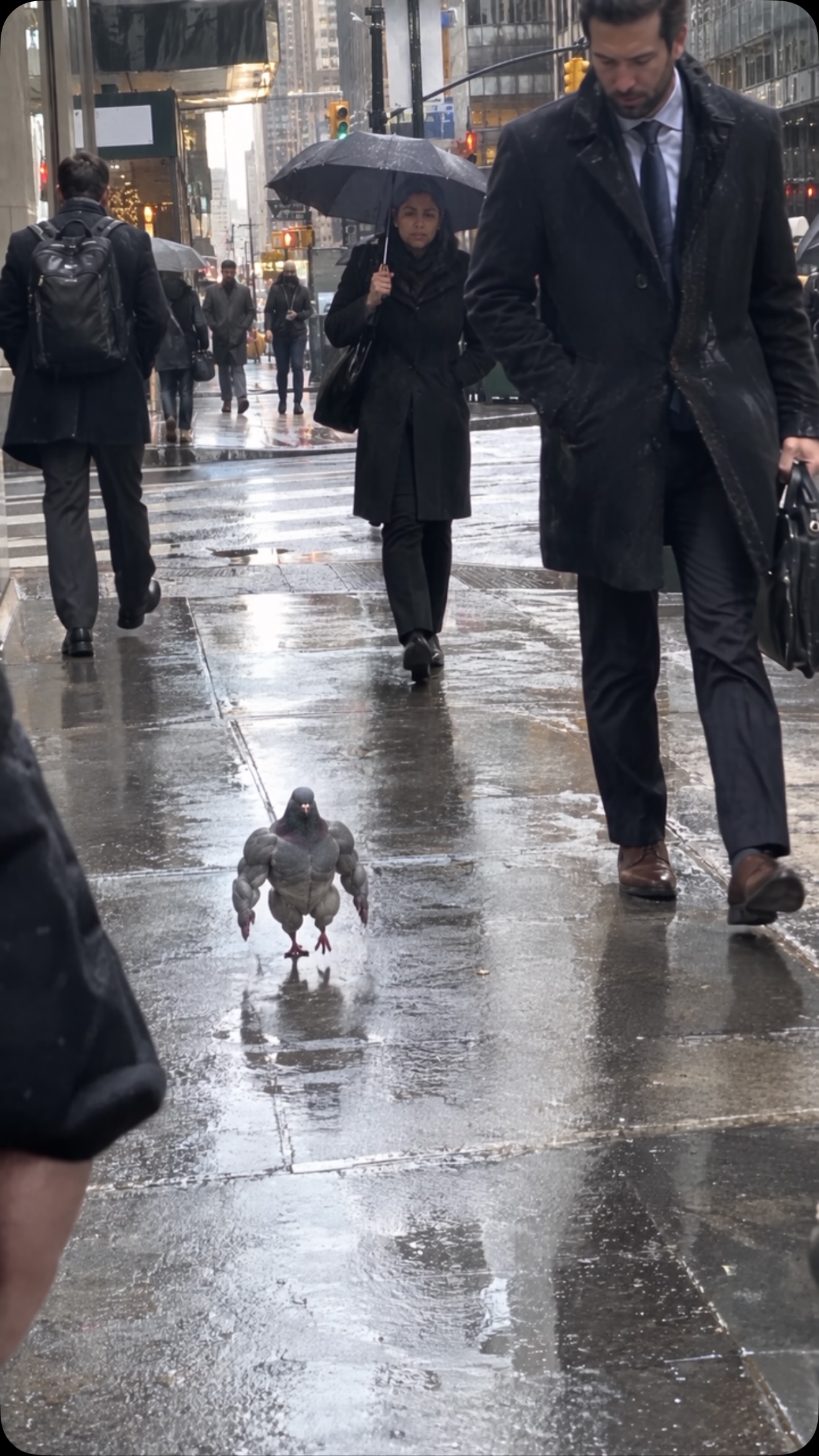
The mummy in the lead clip has not left my screen. Each of today's three clips plants one wrong detail in footage that looks real: a mummy at a vending machine, a crying woman built from two photos, a bodybuilder pigeon on a wet pavement. The news leads with OpenAI putting an agent called Dots on stage at DevDay. The Secret is about cutting too fast, and why a frantic edit tells a buyer you are nervous. Nervous does not sell. Clips come first.
In today's paid edition: 3 clip recipes · 5 stories · the full Secret · member pricing on Klovera — Upgrade $3.99/mo.
📈 Trending
All three clips keep the camera honest and corrupt one detail. The lighting, the setting and the framing say phone footage or film still; the mummy, the template tears and the pigeon's shoulders say otherwise. None of them needs a line of dialogue to land from the first frame.
1. A mummy's day in the life, made with Higgsfield
▶ Watch on Instagram · @theartofrd
Part five of a running series from @theartofrd, made with Higgsfield. The frame is a painted tomb, hieroglyphs on every wall, warm torchlight, and in the middle of it a glowing vending machine. A mummy stands in front of it, one bandaged hand on the buttons, choosing a drink. The caption calls it a day in the life, and that is the whole joke.
📈 4,630,148 views — 51× the account's median
Why it works:
- Light the joke, not the room. The machine is the only cold light in a warm tomb, so the eye lands on the gag first.
- Keep it wordless. A bandaged hand pressing a button needs no caption, so it survives muted autoplay and any language.
- Number the episodes. Part five tells a new viewer four more exist, which turns one watch into a profile visit.
Steal this — paste into Klovera
A prompt that makes a clip like this
2. Two photos, one template, a film-grade crying scene

▶ Watch on Instagram · @rudenko.aivideo
A widescreen close-up of a woman in tears, letterboxed inside a vertical frame, shot in a cold blue room with something blurred crossing the foreground. @rudenko.aivideo says it took a couple of minutes: two photos dropped into a ready-made template, no editing, no model knowledge. The caption walks through four steps and invites you to use your own face, a friend's or a relative's.
📈 34,647 views — 6.8× the account's median
Why it works:
- Open on the tears. A face already mid-emotion poses a question, and viewers stay to find out what caused it.
- Letterbox the frame. Black bars tell a scrolling thumb this is cinema, and borrowed seriousness buys an extra second.
- Sell the recipe underneath. Four numbered steps and a template link turn envy of the result into a visit to the profile.
Steal this — paste into Klovera
A prompt that makes a clip like this
3. A bodybuilder pigeon patrols a rainy city pavement
▶ Watch on Instagram · @valentinloiseau.ai
Rain on a business-district pavement, commuters in black coats, umbrellas, a man with a briefcase looking down at his feet. Walking towards the camera between them is a pigeon with the shoulders and chest of a heavyweight. @valentinloiseau.ai captions it as the city's tiny protector and credits CapCut's Video Studio for the tools. Nobody in the frame reacts, which is the point.
📈 721,708 views — 3.5× the account's median
Why it works:
- Change exactly one thing. The rain, coats and umbrellas are ordinary phone footage, so the single wrong detail reads as real.
- Shoot at pigeon height. A low camera makes the bird the hero and lets suited legs tower behind it like a city.
- Let the crowd ignore it. Commuters who never look down make the absurd feel routine, and deadpan is what people share.
Steal this — paste into Klovera
A prompt that makes a clip like this
Try this on your next idea: Keep every frame of the scene boringly ordinary and change exactly one thing in it.
🤖 News & Updates

OpenAI's DevDay answer to Meta is Dots, an agent built on GPT-6 Astra
OpenAI's annual DevDay came down to one announcement. Sam Altman walked out and introduced Dots, a "real-deal AI" agent running on a model called GPT-6 Astra. The target is Meta, whose Muse agent platform has had early runaway success, and the open question is whether Dots can compete with free. If you run your shop or your content calendar through an assistant, this matters because two of the biggest labs are now fighting over which agent sits inside your workday.
Instagram's Edits app gets an AI assistant that reads your Reels and suggests the next one
Instagram is rolling out Edits Assistant inside Edits, Meta's video-editing app. The assistant reads your audience data, your Reels performance and current Instagram trends, then hands back insights and content ideas tailored to your account, according to Brett Westervelt, who leads the app. The catch is built in: every idea comes from what already worked on Instagram. If you post product Reels every day, this matters because the platform is now telling you, in writing, what it wants from you.
@fal puts Grok Imagine Video 1.5 Lite online with native audio and clips up to 15 seconds
fal has added Grok Imagine Video 1.5 Lite to its lineup, for both text-to-video and image-to-video. The post lists three specs: native audio, clip lengths from 1 to 15 seconds, and output up to 1080p. No prompt or workflow was shared, just the model and the numbers. If you make product clips from a single still, this matters because a 15-second generation with its own sound covers a hook and a payoff in one pass, with no second shot to match.
4. @krea_ai adds FLUX 3 Image with edits that leave the rest of the picture alone
5. Shopify's Canvas builds your store by chatting with Sidekick while you watch
Stories 4 and 5 in full, and what each means for what you make
✨ Sponsored

Already in? Credits are how you keep going between plans. 200 credits comes to about two finished reels, and it costs $50.
That is the whole offer. If you have an idea sitting in a notes app, two reels is enough to find out whether it works.
🤫 The Daily Secret
Two cuts in two seconds reads as panic
A seller sent me a nine-second ad on Tuesday and asked why nobody made it past the hook. I counted. Product on a table, hand reaching in, logo, close-up of the lid, her face, product again. Six shots in the first three seconds. Each one was fine on its own. Together they felt like someone tapping you on the shoulder six times before saying hello. I watched it three times and still could not have told you what the product did.
What she wanted was energy. She had read that the first three seconds decide everything, and she took that to mean more things need to happen in those seconds. More shots, more motion, more proof. The wish underneath was simple and correct: she wanted the clip to feel like it was going somewhere, so a thumb would stay. She just reached for the wrong lever. Pace and cut count are not the same thing, and the gap between them is where most AI ads lose the sale.
The rest of the Secret: why it fails, three fixes and the one thing to do today
Lauren’s P.S.

See you inside.
— Lauren
Published by Internet Mastery
Go paid for $3.99/mo — every clip's recipe, all five stories, the full Secret, and member pricing on Klovera.
